The Real Truth: Macbook Air 13 M4 2025 or Macbook Air 15 2023?
Picking between two MacBook Air models that target different priorities—one emphasizing portability and the other screen real estate and value—can be confusing. This article evaluates the MacBook Air 13 M4 (2025) and the MacBook Air 15 (2023) from a practical buyer’s perspective. It focuses on real-world use cases, what most buyers care about (performance, battery life, portability, display, thermals, and value), and provides a detailed comparison and buying guide to help readers decide which machine best fits their needs.
Introduction: Why this comparison matters
Apple’s Air line has always been about balancing thin-and-light design with everyday performance. Over successive chip generations, that balance has shifted: each new Apple Silicon generation has brought more performance into thinner bodies. The MacBook Air 15 (2023) expanded the Air formula to a larger display size, offering a roomy workspace in a fanless chassis. The MacBook Air 13 M4 (2025) represents the next step in miniaturized performance—bringing a newer generation SoC into the classic 13-inch form factor.
Shoppers deciding between these two often weigh portability and single-thread snappiness (favoring the 13) against screen size and multitasking real estate (favoring the 15). This comparison breaks down how those trade-offs play out in everyday scenarios: remote work, content creation, travel, and long-term ownership.
Product analysis: MacBook Air 13 M4 (2025)
The MacBook Air 13 M4 is aimed squarely at buyers who prioritize the lightest possible machine without sacrificing responsiveness for common tasks. It builds on the Air lineage by pairing a small, highly portable chassis with Apple’s newer chip generation. In practical terms, that means faster app launch and compile times for many workloads, snappier browser and document editing, and improved power efficiency for longer on-the-go use.
Real-world use cases where the 13 M4 shines:
- Frequent travelers and commuters — its compact footprint and low weight make it easy to carry through airports, coffee shops, or daily commutes.
- Students and note-takers — long battery life and a responsive keyboard create a comfortable note-taking and research experience.
- Writers, editors, and knowledge workers — the machine is tuned for single-tab or moderate multitasking workflows where mobility matters more than a huge screen.
- Light creative work — photo editing, short video edits, and design mockups are possible, though power users will eventually reach limits.
Strengths of the 13 M4 include thermal efficiency (less heat during light-to-moderate loads), excellent battery life for its class, and the convenience of a small chassis. Because Apple often improves the neural engine and media engines across chip generations, tasks that leverage machine learning or hardware-accelerated codecs are typically faster and more efficient on newer chips.
MacBook Air 13 M4 — pros & cons
- Pros: Extremely portable; excellent single-thread responsiveness; very good battery life in everyday use; modern SoC efficiency; ideal for travel and writing.
- Cons: Smaller screen can limit multitasking; fewer pixels for dense spreadsheets or long editing timelines; may be less suitable for sustained heavy workloads (thermals and continuous performance constraints).
Product analysis: MacBook Air 15 (2023)
The MacBook Air 15 (2023) was a pivot for the Air lineup: a larger display aimed at users who want a roomy workspace inside a thin, fanless design. It brought the Air experience to a screen size traditionally reserved for Pro models. Its value proposition is straightforward—more visible area for work, movies, and multitasking while maintaining the lightweight and quiet Air attributes.
Find top-rated Laptops & Computers products at great prices.
Browse Now →Real-world use cases where the 15 (2023) excels:
- Multitaskers and productivity-focused users — more screen space means side-by-side windows, larger spreadsheets, and less window-switching.
- Casual creatives — the bigger canvas helps with photo editing, compositing, and timeline work (for short to medium projects).
- Consumers of media — streaming, reading, and presentation work benefit from the larger display area and often better stereo speakers.
- Users seeking value — because it launched earlier and targeted a mainstream market, it often presents a competitive price-to-screen-size ratio.
The 15-inch Air offers a comfortable, distraction-reducing workspace but retains the trade-offs of the Air family: fanless design and thin profile mean sustained heavy workloads can lead to thermal throttling sooner than in larger, actively-cooled Pros. For many users—particularly those who value screen real estate over peak sustained performance—the trade is worthwhile.
MacBook Air 15 (2023) — pros & cons
- Pros: Larger display for productivity and media; still very portable compared to traditional 15-inch laptops; quiet, fanless operation; good everyday performance for web, office, and light creative work.
- Cons: Larger footprint and slightly heavier than 13-inch Airs; fanless design can constrain sustained heavy workloads; battery behavior depends on display brightness and workload.
Comparison table: At-a-glance differences
| Category | MacBook Air 13 M4 (2025) | MacBook Air 15 (2023) |
|---|---|---|
| Target user | Mobility-first users, frequent travelers, students | Productivity-first users, those wanting more screen space without heavy weight |
| Display | 13-inch class — very portable, best for focused work | 15-inch class — more workspace, better for multitasking and media |
| Performance | Newer-generation SoC emphasizing single-thread speed and efficiency | Very capable for everyday tasks; solid for light creative work |
| Thermals | Good for light to moderate tasks; designed for efficiency | Fanless; performs well for short bursts, can throttle under sustained heavy loads |
| Portability | Superior — easier to carry and use in tight spaces | Still portable but larger footprint and slightly heavier |
| Battery in real use | Optimized for long battery life in mobile scenarios | Good, but battery consumption can rise with larger display brightness and heavier multitasking |
| Ports & expandability | Typical Air configuration; adequate for dongle-based workflows | Similar; larger body may allow slightly better connector ergonomics |
| Best for | People who prize weight and agility over screen size | Users who want a bigger workspace while keeping a thin, quiet laptop |
Performance and thermals: What buyers actually experience
Performance on both machines is well-suited to most everyday users: web browsing with dozens of tabs, document editing, video conferencing, and light photo or video editing. The 13-inch model with the newer chip typically feels slightly snappier in short, bursty tasks because of improved single-core responsiveness. The 15-inch model compensates with a larger display that reduces the friction of window management, which itself improves productivity for many tasks.
Thermally, the fanless Air design constrains sustained heavy workloads on both models. However, shorter bursts of CPU- or GPU-intensive activity (exporting a sh…
Display, speakers, and day-to-day comfort
Display size matters more than raw pixel density for many buyers. A 15-inch panel makes spreadsheets, timelines, and multi-window workflows more comfortable, reducing the need for external displays. The 13-inch model, while smaller, offers the advantage of a more compact viewing distance and better portability for on-the-go use.
Speakers on Air models are usually better than laptop averages, but the larger chassis often allows for fuller sound and slightly better stereo separation. For users who value music, streaming, or content creation playback, the 15-inch model may offer a modest advantage.
Battery life and real-world expectations
Both machines prioritize power efficiency. The 13-inch device’s smaller screen and newer efficiency-focused silicon typically deliver excellent all-day battery life under light-to-moderate use. The 15-inch model can also achieve long battery life but is more sensitive to display brightness and multitasking. Buyers should consider real-world behavior: working on battery with numerous tabs, video conferencing, or running creative apps will reduce runtime on both machines, but the compact 13-inch system tends to stretch battery life further in mobile scenarios.
Find top-rated Laptops & Computers products at great prices.
View Offers →Ports, expandability, and ecosystem
Neither Air model is designed as a docking workstation substitute; they assume a dongle or a compact USB-C hub for varied peripherals. Buyers who need many wired connections or legacy ports should plan for an adapter. Both machines integrate well into the Apple ecosystem—hand-off, Universal Clipboard, and continuity features are useful if a buyer already uses iPhone or iPad devices.
Buying guide: How to choose based on real needs
To decide between these two models, buyers should consider the following questions and match them to their priorities:
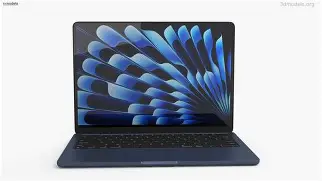
- How often will the laptop travel? If the device is in a backpack or bag daily, a 13-inch Air is easier to carry and less intrusive in tight spaces.
- How important is screen space? If the primary work involves spreadsheets, documents, or media consumption, the 15-inch display reduces friction and can replace the need for an external monitor in many cases.
- What is the typical workload? For web, office apps, and light creative tasks, both machines are fine. For sustained heavy workloads, prefer a machine with active cooling (MacBook Pro or desktop workstation).
- Is future-proofing a priority? Newer chips typically bring incremental performance and efficiency improvements; buyers who plan to keep a laptop for many years may prefer the newer-generation SoC for its longevity.
- Are speakers and media experience important? The larger chassis often translates to a slightly richer audio and visual experience, which matters for media-focused buyers.
- What is the budget? The 15-inch Air often represents strong value in terms of screen size per dollar, but final purchase decisions should weigh price against portability needs and expected usage.
Configuration tips
- RAM: For most buyers, choose a configuration with sufficient RAM for multitasking—this is one of the clearest areas where future-proofing matters. Users who keep many browser tabs open or run VMs should prioritize more RAM.
- Storage: Consider how often large files are used. SSD storage affects resale value and responsiveness; if budget allows, choose a larger internal drive over relying on external storage for performance-sensitive projects.
- Ports and dongles: Plan for a simple USB-C hub if you need HDMI, SD card, or multiple USB-A ports regularly.
- Extended warranty and AppleCare: For users who travel frequently or need priority repairs, consider extended coverage for peace of mind.
Which one should a reader pick?
There is no universal answer — it depends on priorities.

- Choose the MacBook Air 13 M4 (2025) if: maximum portability, marginally better single-thread performance, and the longest possible everyday battery life are top priorities. It is the best pick for students, writers, frequent travelers, and anyone who uses their laptop primarily on the move.
- Choose the MacBook Air 15 (2023) if: screen real estate and comfort for multitasking or media consumption are more important than the smallest possible size. It suits users who work at cafes or home but want a larger laptop they can still carry easily.
Final thoughts and conclusion
Both the MacBook Air 13 M4 (2025) and the MacBook Air 15 (2023) continue the Air family’s mission of offering thin, quiet, and capable laptops. The 13-inch model focuses on portability and the benefits of a newer-generation chip, while the 15-inch model emphasizes workspace and value. For buyers deciding between them, the essential question is whether they value mobility over screen real estate. If the answer is mobility, the 13-inch Air is the logical choice; if the answer is workspace and comfort for extended productivity without significantly increasing weight, the 15-inch Air is likely the better match.
Ultimately, both machines will serve most everyday users very well. Matching the machine to the user’s daily workflows, travel patterns, and long-term plans will result in the most satisfying purchase. Consider try-before-you-buy options where possible—testing each size in a store or borrowing one for a day can quickly reveal which form factor aligns with personal habits and makes daily computing feel easier and more productive.