I Switched to the Dt 990 Pro and Here is What Happened
The Dt 990 Pro has long been a staple in home studios and among dedicated listeners. When the reviewer decided to replace the daily headphones with this model, the goal was clear: test whether a studio-focused, open-back design could meet everyday listening, gaming, and mixing needs. This article walks through that transition in a practical, experience-driven way — covering sound character, build and comfort, real-world use cases, and buying considerations buyers typically care about.
Introduction
Open-back studio headphones occupy a special place for people who value detail and spatial accuracy. The Dt 990 Pro positions itself as an entry-to-mid-level, analytical option with a recognisable bright timbre and broad soundstage. The reviewer’s switch from more consumer-oriented, closed headphones aimed to evaluate whether the Dt 990 Pro's strengths — clarity, imaging, and comfort — would translate into better outcomes for mixing, critical listening, and multi-device daily use.
This article summarizes findings from weeks of varied use: critical listening sessions, mixing checks, long gaming nights, and portable use at a desk. It discusses what the Dt 990 Pro does well, where it falls short, and how that matches common buyer priorities such as sound signature, isolation, comfort, and the need for amplification.
Detailed Product Review and Analysis
Design and Build
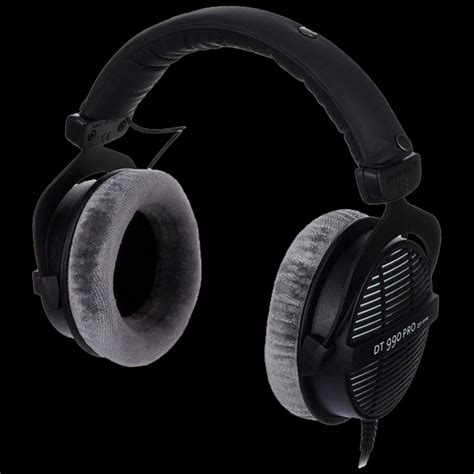
The Dt 990 Pro follows Beyerdynamic’s classic aesthetic: robust yet minimal. The headband includes a metal core covered by a padded strip, and the earcups use soft velour pads that actively contribute to long-session comfort. The construction feels durable for daily studio work, with replaceable parts such as pads and headband cushion that extend the product’s usable life.
Practical aspects matter to buyers — and the Dt 990 Pro addresses several. The cable is single-sided and fixed, which reduces tangling but means the cable is not user-swappable without repair. The design is open-back, which impacts both sound and usability: sound leakage and lack of isolation are inherent, but the trade-off is a more spacious, natural sound.
Sound Signature and Performance
On first listen, the Dt 990 Pro reveals a characteristically bright treble and a detailed midrange. High frequencies are forward and articulate, which helps with the perception of micro-detail — cymbal shimmer, room ambiance, and vocal sibilance are very present. For mixing engineers or listeners who want to pick apart a recording, that treble emphasis can be a benefit.
Low end on the Dt 990 Pro tends toward accuracy rather than thunderous impact. Bass is present and tight but not overemphasized; this makes the headphones useful for mixing tasks where an exaggerated low end would be misleading. Casual listeners expecting bass-heavy consumer sound may perceive the Dt 990 Pro as leaner than modern V-shaped consumer headphones.
One of the most notable attributes is the soundstage. The open-back design delivers an expansive, three-dimensional presentation that positions instruments and effects across a wider virtual space. For gaming, this translates into clearer positional cues; for music, it provides a sense of air and separation that enhances detailed genres like acoustic, classical, jazz, and well-recorded electronic music.
Shop the latest Audio & Headphones picks on Amazon.
See Deals →Comfort and Long-Term Wear
The velour pads and relatively light clamping force make the Dt 990 Pro comfortable for prolonged sessions. The reviewer reported minimal fatigue after multi-hour listening and mixing sessions, which is an important practical consideration for buyers who spend long hours in front of a DAW or playing extended gaming sessions. However, earcup size and pad depth matter for individual fit; larger ears may press closer to the drivers, changing perceived treble and comfort.
Impedance and Amplification Needs
The Dt 990 Pro is available in multiple impedance variants. Higher-impedance versions are designed for studio equipment and will generally benefit from a dedicated headphone amplifier or a robust DAC/headphone output. Users who primarily rely on phones, tablets, or weak onboard sound cards should consider the lower-impedance variant or plan to use a portable amplifier to reach satisfying volume and control. In short, match the impedance to the intended source.
Real-World Use Cases
- Mixing and Mastering: The Dt 990 Pro offers analytical detail and a wide soundstage, making it useful for reference listening and certain mixing checks, especially when assessing high-frequency content and stereo width. Its treble emphasis can highlight issues that might be masked on warmer headphones.
- Critical Listening: For listeners who prioritize instrument separation and micro-detail, the Dt 990 Pro shines on acoustic, jazz, and classical recordings where air and decay matter.
- Gaming: The open presentation and imaging help with positional awareness in many competitive and immersive titles. However, sound leakage to others may be a concern in shared spaces.
- Casual Daily Use: While comfortable and detailed, the Dt 990 Pro’s open-back nature and treble-forward voicing may be less suitable for noisy commutes or for listeners who prefer a punchy, bass-forward consumer sound.
Pros & Cons
- Pros
- Exceptional soundstage and imaging for the price range
- High level of mid and high-frequency detail useful for critical listening
- Comfortable velour padding suitable for long sessions
- Durable construction with replaceable parts extends service life
- Neutral-to-analytical tonality helps reveal production errors
- Cons
- Open-back design leaks sound and offers no isolation
- Treble-forward signature may be fatiguing for some listeners
- Higher-impedance versions often require an external amplifier
- Cable is fixed and not easily replaceable by the user
- Bass lacks the impact that some casual listeners expect from modern consumer headphones
Comparison
For buyers deciding between similar studio headphones, the following comparison highlights how the Dt 990 Pro stacks up against two commonly considered alternatives: a closed-back studio workhorse and a higher-end analytical open-back. This table focuses on attributes buyers commonly evaluate.
| Model | Type | Best For | Typical Sound Signature | Isolation | Amplification Notes |
|---|