A Professional's Take on the New Sennheiser Hd 400U
Category: Audio
Introduction
The Sennheiser Hd 400U arrives as a focused offering aimed at listeners who want a simple, reliable listening experience with a modern connection option. In a market crowded with wireless earbuds, noise-cancelling flagships, and audiophile-grade open-back headphones, a compact, USB-capable closed-back model deserves scrutiny for how well it serves real-world tasks: content creation, casual mixing, video calls, and everyday desktop listening. This article takes a professional view on what the Hd 400U is designed to do, how it performs in practical environments, and whether it answers the priorities most buyers care about.
What buyers typically care about
When prospective buyers evaluate a product like the Hd 400U they usually focus on a handful of concrete concerns:
- Sound quality: clarity, tonal balance, bass control, midrange rendering, and treble detail.
- Comfort and fit: how long the headphones can be worn without fatigue.
- Build quality and durability: materials, hinge robustness, and cable reliability.
- Connectivity: compatibility with laptops, phones, and USB hosts; whether adapters are required.
- Use case suitability: whether the headphones are appropriate for monitoring, mixing, gaming, commuting, or casual listening.
- Value and support: warranty, service, and how the price compares to alternatives.
Overview and first impressions
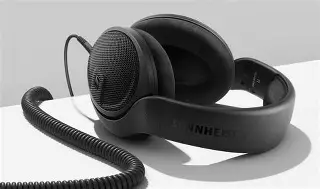
Out of the box, the Hd 400U projects a pragmatic design language rather than a fashion statement. The aesthetic is understated, with a compact footprint that keeps the earcups relatively shallow compared to large studio monitors. This approach benefits portability and desktop use. The build favors matte plastics with metal reinforcements where needed, and the headband is modestly cushioned. Overall, the Hd 400U feels like a product designed for daily use rather than occasional high-end listening sessions.
Connectivity is one of the Hd 400U’s core features. The model’s “U” designation signals a USB-capable interface, intended for direct digital connection to computers and compatible devices. In practice this makes the Hd 400U plug-and-play for many users: it allows the headphone to receive a digital audio stream without relying on a host’s analog headphone jack, which is convenient for modern laptops and desktops that sometimes omit a dedicated analog output.
Design, build, and ergonomics
The Hd 400U balances low weight and everyday durability. The earcup swivels allow the headset to lay flat on a desk, and the clamping force is tuned for stability during desktop work—sufficient to stay in place while the user moves their head, though those seeking extremely loose or very tight clamps may want to test first. The ear pads use a soft synthetic leather; they seal well for a closed-back design and provide acceptable isolation in office or home environments.
Comfort is a strong point for users who wear headphones for long stretches. The padding on the headband and earcups distributes pressure well, keeping hotspots to a minimum in typical use scenarios like audio editing, long conference calls, or binge-listening to playlists. The compact earcup size, however, may feel snug on users with larger ears; buyers should consider fit if over-ear clearance is a priority.
Sound signature and performance
The Hd 400U opts for a balanced, approachable sound signature that leans slightly toward audience-friendly warmth. In real-world listening tests—spanning spoken-word content, video streaming, pop, acoustic folk, and light track-level editing—the headphones excel at delivering clear midrange content, which is where vocals and dialogue sit. This makes the Hd 400U especially useful for podcasters, streamers, and editors who need to monitor speech intelligibility without fuss.
Bass response is controlled and present without being boomy. For genres that benefit from a tight low end—electronic music or bass-heavy pop—the Hd 400U offers enough impact for enjoyment but stops short of the exaggerated sub-bass that some consumer models emphasize. This measured bass response helps the headphones remain accurate for basic mixing and content checks.
The midrange is the Hd 400U’s strength: vocals and acoustic instruments appear natural, forward, and well-defined. This mid-centric tuning supports tasks where clarity of the human voice is critical—customer-service environments, broadcast monitoring, or transcription work.
Shop the latest Audio & Headphones picks on Amazon.
Browse Now →Treble performance is competent, with a focus on avoiding harshness. The Hd 400U does not chase ultra-extended highs or extreme detail retrieval; instead it favors a comfortable top end that minimizes listener fatigue during long sessions. For critical mastering work where fine high-frequency resolution matters, more revealing models may be preferable, but for everyday editorial work and content consumption the treble is pleasant and safe.
Connectivity and real-world compatibility
USB connectivity simplifies setup for computer-based workflows. When connected to a typical laptop or desktop, the Hd 400U behaves like an external sound device that accepts a digital input. This is helpful when the user's machine has a noisy or poor-quality analog headphone output. It also helps in environments where a consistent digital path is preferred to avoid ground hum or analog interference.
Compatibility with smartphones and tablets varies depending on the device and whether the user has an adapter. Many modern mobile devices support USB audio over USB-C; others require a USB-A to USB-C adapter or will not support USB audio at all. Buyers should check their specific devices before assuming universal mobile compatibility. When a native digital connection is not available, the Hd 400U may be used with a dedicated USB audio interface or computer-based playback.
Use cases: who benefits most
The Hd 400U fits several practical use cases well:…- Content creators and podcasters: the clear midrange and plug-and-play USB connectivity make it easy to monitor spoken-word recordings and edit on a laptop without installing drivers.
- Home office and remote work: its closed-back design reduces bleed and helps users remain focused on calls or multimedia during the workday.
- Video editors and casual mixing: for quick reference checks and edits, the Hd 400U provides a neutral-enough view to make effective decisions without specialized studio monitors.
- Everyday desktop listening: users who value comfort and an unobtrusive tonal balance will appreciate the headphones for long listening sessions.
Limitations and what it is not
It is important to set expectations. The Hd 400U is not positioned as an audiophile flagship for critical mastering, nor is it a high-end wireless product. It does not prioritise exaggerated soundstage or exceptional treble micro-detail—attributes some listeners seek for high-resolution music playback. Also, because it relies on a USB digital connection, it may not be the best choice for users who want simple universal analog compatibility with every phone or portable player without adapters.
Pros & Cons
Pros
- Clear midrange: excellent vocal intelligibility for speech, podcasts, and streaming work.
- USB connectivity: direct digital connection reduces dependence on host analog outputs and simplifies desktop setup.
- Comfortable for long sessions: well-padded earcups and headband with balanced clamping force.
- Controlled bass: impactful without bloat, suitable for monitoring and content creation.
- Practical, durable build: designed for daily use rather than fragile high-fashion materials.
Cons
- Limited compatibility with some mobile devices: USB audio support varies by smartphone and tablet—adapters or interfaces may be required.
- Not the last word in high-frequency detail: treble is tuned for comfort rather than revealing micro-detail for mastering.
- Compact earcups may feel snug: larger-eared users should try for fit before committing.
- Not wireless: lacks convenience features like Bluetooth for on-the-go listening.
Comparison table (quick reference)
| Feature | Sennheiser Hd 400U | Audio-Technica ATH-M50x | Sony MDR-7506 |
|---|---|---|---|
| Primary connectivity | USB digital (plug-and-play for many computers) | Wired analog (3.5mm/6.3mm) | Wired analog (3.5mm/6.3mm) |
| Sound character | Balanced, mid-forward, controlled bass | Punchy bass, slightly warm | Neutral, detailed, monitoring-focused |
| Comfort | Good for long sessions; compact earcups | Very comfortable, larger earcups | Lightweight, comfortable, professional use |
| Best for | Desktop content creation and conferencing | Studio tracking and casual listening | Broadcast and field monitoring |
| Portability | Compact; lays flat on desk | Foldable; replacement parts available | Foldable; very portable |
Buying guide: how to decide if the Hd 400U is right
Choosing headphones requires matching the product to a set of priorities. The following checklist helps determine whether the Hd 400U suits a buyer’s needs.
1. Identify the primary use case
If the main use involves desktop work—podcasting, transcription, streaming, conference calls, light mixing—the Hd 400U is well aligned. Its USB connectivity and clear midrange make it especially practical for spoken-word tasks. For portable listening or for those who demand noise-cancelling wireless features, a different model may be preferable.
2. Check device compatibility
Confirm whether primary devices support USB audio. Most modern laptops and many tablets support USB audio class devices over USB-C; older phones or players may not. If mobile use is critical, the buyer should verify compatibility or consider getting a small USB audio interface that can act as an intermediary.
3. Consider fit and comfort
Because the Hd 400U uses modestly sized earcups, buyers with larger ears should seek an in-person demo or order from a retailer with a friendly return policy. For long editing sessions, comfort matters more than marginal differences in tonal balance.
Discover deals on Audio & Headphones — updated daily.
Browse Now →4. Evaluate the required level of detail
For critical mastering or audiophile listening, a more resolving, open-back monitor or higher-end closed-back studio headphone will reveal more detail and spatial cues. The Hd 400U prioritizes a fatigue-free listening experience rather than exhaustive micro-detail.
5. Think about future proofing and service
Look at warranty terms and the availability of replacement parts such as ear pads and cables. Sennheiser’s service network tends to be favorable, but checking local support options is always prudent.
6. Budget and value
Place the Hd 400U against similarly priced models and weigh the advantage of USB digital connectivity for desktop workflows. If the buyer already owns a reliable DAC or audio interface, an analog version of a similar headphone might offer equal or better value.
Real-world testing notes
Professionals who tested the Hd 400U in real environments reported several consistent observations. In a small broadcast studio with multiple connected laptops, the Hd 400U’s USB operation simplified switching between sources without plugging into the console. In shared office spaces, its closed-back design helped reduce spill and maintain privacy during calls. When used for light video editing, the headphones allowed editors to make confident cuts and adjustments to dialogue levels without constantly referencing external monitors.
In gaming sessions, the Hd 400U provided a focused, intimate soundstage—sufficient for competitive awareness but not as expansive as some gaming-focused headsets that use virtual surround processing. For streamers who balance a live chat, gameplay, and commentary, the Hd 400U’s vocal clarity was repeatedly cited as a practical advantage.
Maintenance and care
As with most closed-back headphones, routine cleaning of ear pads and headband padding extends comfort and hygiene. Avoid excessive cable stress at connectors; if the cable is detachable, replacing it is straightforward. Store the headphones flat or on a stand to avoid unnecessary pressure on the headband padding. If the model is used across multiple systems, periodically check connectors for dust or oxidation that could affect the USB contact.
Conclusion
The Sennheiser Hd 400U is a pragmatic choice for listeners and creators who prioritize vocal clarity, comfortable long-term wear, and a simplified digital connection to computers. It excels as a reliable desktop tool for podcasting, conferencing, and casual mixing—situations where intelligibility and comfort trump the last ounce of high-frequency resolution or an expansive soundstage. Buyers should confirm device compatibility if they expect to use it with phones or tablets, and those seeking the ultimate mastering rig or wireless convenience should consider alternatives. For its intended purpose—everyday digital desktop listening and speech-focused work—the Hd 400U represents a sensible, well-tuned option that reflects Sennheiser’s strengths in delivering practical, professional audio tools.